


Why PURPOSE and a strong CULTURE is even more important right now…
Simon Sinek simplifies purpose with his Golden Circle; every organisation knows what they do, most know how they do it, however only a few know WHY they do it. The why is a company’s PURPOSE. Purpose serves as a North Star. It provides the reason for existing way beyond making money. It provides emotional connectivity. If only focusing on purpose for bottom line profit – people will see through it. It needs to come from an authentic place. However, here is the good news; brands that are purpose led and have a broader impact, outperform the stock market by 120%*. So, whether it be Foodcloud’s purpose to provide ‘A world where no good food goes to waste’ or Patagonia being ‘in business to save our home planet’ orientating business around purpose can help drive towards outcomes people value.
Many organisations are missing the full power of the kind of purpose that can transform. They spend a huge amount of time articulating the purpose, do some kind of launch and spend very little time on the embedding. Surface purpose amounts to a thin veneer that doesn’t ingrain new beliefs, priorities and ways of working. Despite the superficial hype the organisation remains unchanged. When purpose is embedded into the DNA of an organisation this is when the magic emerges. Customers are more likely to buy products or services, stay loyal, pay more and advocate for brands that genuinely do good. People who believe their employer stands for something more than short term profit and are truly inspired by the company’s purpose is a whopping 225%*more productive. These people are more engaged, more productive and less likely to quit their jobs – we all want these people working in our organisations.
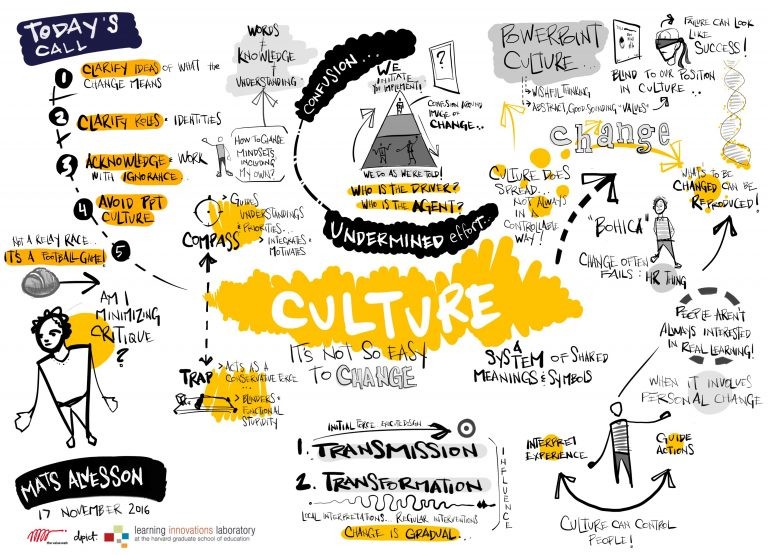
Pursuing purpose without understanding the cultural characteristics that reinforce it, is at its best a superficial exercise that has no impact and at its worst fundamentally damaging to the core of the business. Although culture is an intangible aspect of corporate life, taking the time to understand it and knowing how it needs to be reshaped to ‘live and breathe’ the purpose is critical. The key question is what characteristics in corporate culture reinforce purpose to allow for these performance gains – and what is missing when the corporate culture is not aligned. The answer is a combination of powerful human emotions that creates connectivity, most particularly trust. In other words, what brings purpose alive in an authentic way is principally trust. The more people that are crafting the kind of culture that reinforces the purpose, the more real and believable it becomes more broadly.
When times are tough, and let’s face it we are in the eye of the storm with Covid – it can accentuate the need to do more, work longer hours and juggle more balls – and with the need to react and re-prioritise the focus on purpose can become blurred. Invariably culture is really tested – how people behave during times of stress is a true reflection of the corporate culture. When fire-fighting becomes the norm, it becomes much harder to pause to connect with our ‘why’. This is when purpose driven leaders come into their own – using purpose to provide clarity and focus and guide decision making.
Covid has brought a lot of pain and suffering but it has also brought a greater level of compassion and human connectivity. This has been demonstrated by many purposeful organisations that have really stepped up to the plate and considered the wider impact. Linkedin is a super example of this. Their purpose is to create ‘economic opportunity for every member of the global workforce’. They recognised a ‘need’ during Covid and have provided free online learning programmes so people are better able to adapt to working remotely and learn new ways of staying connected with their colleagues. Linkedin’s decision to do this reinforces their purpose and creates human connectivity. Although sudden changes to strategy and adjustment of priorities may be required, it is important not to lose focus on purpose and continue to shine a light on corporate culture that took time and great effort to build. Maintaining this focus will safeguard the long-term health of your organisation and at the same time provide broader impact that colleagues and customers value.