


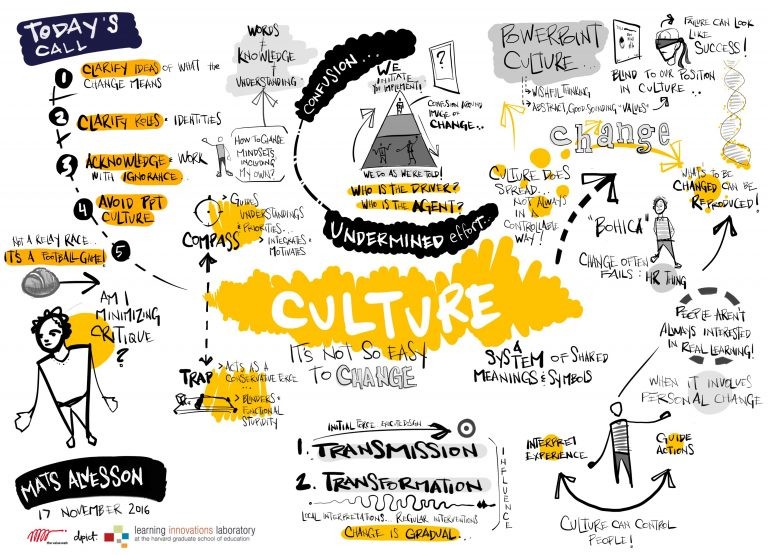
The CEO’s role in nurturing and shaping culture
Every employee in an organisation has a role in creating culture. Culture is something that needs to be consciously nurtured and shaped. Albeit the CEO is one person, they set the tone for the type of organisational culture whether they do it intentionally or not. The decisions they make, their habits, what they focus on, their behaviours all provide guidance for others to follow suit. If the CEO’s behaviour contradicts the values in the organisation, it very quickly tells employees that the values are in fact irrelevant. How the CEO engages in all aspects of the company culture can influence how people feel and how they perform.
When the purpose, vision and culture are aligned and in sync, the company is much more likely to deliver consistent and profitable growth. Employees are energized, engaged and motivated to do their best work. They take pride in working for the organization and are brand advocates. In contrast when a culture is misaligned to the strategic direction of a company, it is much more likely that the organisation performance is impacted, the energy is low, employees are less engaged and are probably brand detractors.
The responsibility of organisation culture cannot be delegated. To consciously shape culture in a meaningful way, it needs to be a strategic priority driven by the CEO. It requires leaders at the top being fully committed and aligned and it should regularly feature at Board discussions.

There are a few essential ingredients for CEO’s to attend to if they are serious about shaping culture:
1. Be clear on the organisation purpose. Purpose isn’t simply what the business does, it addresses the ‘why’. It’s at the intersection of two fundamental questions: ‘Who are we?’ and ‘What need do we fulfil in society?’ It defines the reason for existing, it provides clarity and focus that emotively connects customers and employees to the organisation.
2. Articulate the desired culture. Although culture is an intangible aspect of organisation life, taking the time to understand it and knowing how it needs to be reshaped to ‘live and breathe’ the purpose and vision of the organisation is a quantum leap in the right direction.
3. Engage leaders and employees in understanding and shaping the culture. If time is taken to engage employees, they are more likely to own it and take care of it. Everything from onboarding, communications, development and engagement of the employee should reflect the desired culture.
4. Define and embed the values and behaviours that bring the culture alive. The values need to be unique and meaningful to the organisation. The less bland and the more connected to the direction of the organisation, the more likely that they will stick and guide decision making.
5. Determine the priorities to shape the culture. Attend to these, track measurable progress.
6. Bring the culture alive through story telling. Every day examples of the culture in action reinforces what is valued and recognised in the organisation. Use both formal and informal networks to spread the word on the culture you want to shape.
7. And finally, be persistent, patient, push through obstacles and overcome resistors.
Culture change can often take 5+ years, yet the CEO tenure can very often be shorter, leaving employees feeling that the culture initiative is ‘a project’ that will pass. Boards can safeguard against this by making sure there is continuity with the incoming CEO and that they will continue the journey of nurturing and shaping a purposeful culture.
Culture is fundamental to organisation success. Purpose is the driver of culture, and culture is the driver of organisation outcomes, including the long-term success of the CEO. Establishing a purposeful culture is the primary vehicle for any CEO to safeguard the long-term health and success of an organisation and what better way to leave a legacy behind.
‘We cannot change what we are not aware of, and once we are aware, we cannot help but change’ Sheryl Sandberg, COO Facebook
If you are looking to better understand and shape the culture in your organisation and are interested in working with a partner that specialises in culture, please get in touch with Astute Consulting at michele@astute.ie
Astute Consulting is a boutique consultancy firm specialising in people and organisation change. We enable you to tap into your full potential. Our service offering includes:
– culture review and change
– connecting business and people strategy
– transformation and change
– organization restructures
– optimizing performance and getting the best from people
– executive coaching